Cybersecurity has become one of the most promising and growing areas in the technology market. If you’re wondering how to start a career in cybersecurity with no experience , it’s completely possible and this guide will show you exactly how to do it.
I will share with you all the cybersecurity career opportunities available, the most effective cybersecurity career paths , and answer the crucial question: is a career in cybersecurity worth it?
Why Choose a Career in Cybersecurity?
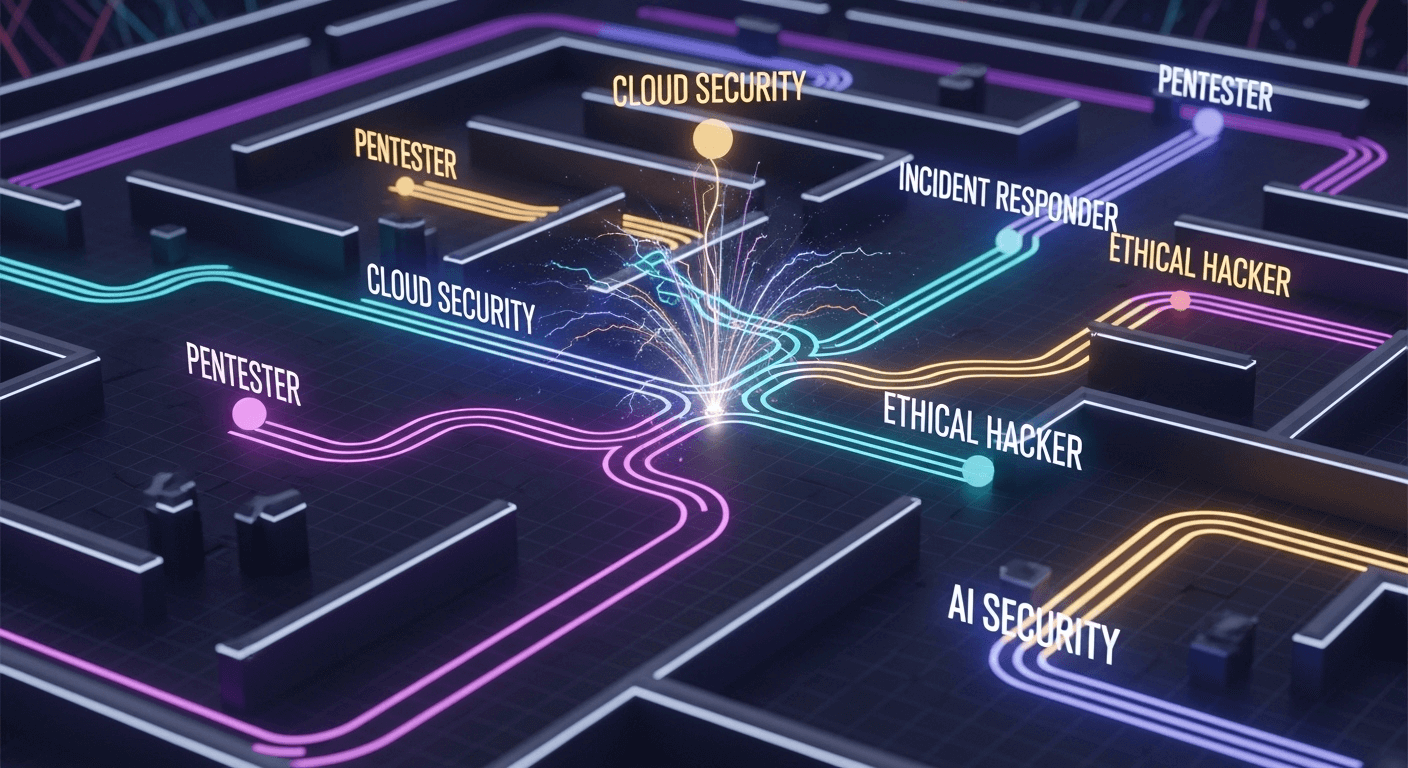
Exponential Market Growth
The cybersecurity market is experiencing unprecedented growth. With the rise of cyberattacks and the accelerated digitalization of businesses, the demand for skilled professionals has never been higher.
Global Market Data:
- Market valued at $173 billion in 2023
- Forecast to grow to $424 billion by 2030
- Over 3.5 million unfilled jobs globally
Attractive Salaries and Stability
One of the main reasons why a career in cybersecurity is worth it is the competitive salaries:
Global average salary ranges:
- Junior Security Analyst : $45,000 – $65,000
- Full-Time Security Specialist : $75,000 – $120,000
- Senior Security Architect : $130,000 – $200,000+
Diversity of Specializations
Career opportunities in cybersecurity are vast and diverse, allowing you to find your area of interest and expertise.
READ ALSO:
How to Become an Information Security Professional
Cyber Attacks and Data Protection
Best Professional Certificates for IT Professionals
Top Career Paths in Cybersecurity
1. Network Security
Main responsibilities:
- Network Traffic Monitoring
- Configuration of firewalls and prevention systems
- Security log analysis
- Implementation of access policies
Required skills:
- Knowledge of network protocols (TCP/IP, DNS, HTTP/HTTPS)
- Experience with tools like Wireshark, Nmap
- Cisco, Juniper equipment configuration
- Knowledge of VPNs and VLANs
2. Incident Response
Main responsibilities:
- Security Incident Investigation
- Digital evidence collection and analysis
- Emergency response coordination
- Preparation of technical reports
Required skills:
- Incident Response Methodologies
- Forensic Analysis Tools
- Knowledge of malware and attack techniques
- Ability to work under pressure
3. Audit and Compliance
Main responsibilities:
- Security risk assessment
- Implementation of compliance frameworks
- Systems and process auditing
- Development of security policies
Required skills:
- Knowledge of regulations ( GDPR , HIPAA , SOX )
- Frameworks like ISO 27001, NIST
- Risk assessment techniques
- Documentation and communication skills
4. Cloud Security
Main responsibilities:
- Secure configuration of cloud environments
- Implementation of access controls
- Cloud Resource Monitoring
- Distributed Security Architecture
Required skills:
- AWS, Azure, Google Cloud platforms
- Cloud monitoring tools
- Knowledge in containerization
- Automation and Infrastructure as Code
How to Start a Career in Cybersecurity: A Step-by-Step Guide

Step 1: Building a Solid Knowledge Base
Essential Technical Fundamentals:
Operating Systems:
- Windows : Active Directory, PowerShell, Event Logs
- Linux : Command line, shell scripting, system logs
- Virtualization : VMware, VirtualBox for labs
Networks and Protocols:
- OSI Model and TCP/IP
- Security protocols (SSL/TLS, IPSec)
- Network architecture and segmentation
Programming and Scripting:
- Python : Automation and Data Analysis
- PowerShell : Windows Administration
- Bash : Scripting on Linux
- SQL : Log and database analysis
Step 2: Fundamental Certifications
Entry-Level Certifications:
CompTIA Security+
- Most recognized certification for beginners
- Covers security fundamentals
- Cost: $350 – $400
- Study time: 2-3 months
CompTIA Network+
- Essential networking foundation
- Complement Security+
- Focused on network infrastructure
Advanced Certifications:
CISSP (Certified Information Systems Security Professional)
- Requires 5 years of experience
- International recognition
- Focus on security management
CEH (Certified Ethical Hacker)
- Penetration testing techniques
- Attacker’s perspective
- Hands-on and practical
Step 3: Hands-on Experience and Labs
Creating Your Home Lab:
Essential Tools:
- Kali Linux : Distribution for penetration testing
- Metasploitable : Vulnerable virtual machine for practice
- DVWA : Vulnerable web application
- VirtualBox/VMware : Virtualized environments
Practical Projects:
- Honeynet configuration
- Malware analysis in a controlled environment
- Basic SIEM Implementation
- Penetration testing in the laboratory
Step 4: Building a Professional Portfolio
Essential Portfolio Elements:
Technical Documentation:
- Vulnerability Analysis Reports
- Incident Response Procedures
- Security settings implemented
- Case studies of completed projects
Online Presence:
- LinkedIn optimized for recruiters
- GitHub with developed scripts and tools
- Technical blog sharing knowledge
- Participation in specialized forums
READ ALSO:
What Does a Front-End Developer Do
What Skills Are Essential for a Career in Cybersecurity

Fundamental Technical Skills
1. Knowledge of Operating Systems
- Windows and Linux Administration
- Service and policy configuration
- Analysis of system logs and events
- Hardening and secure configuration
2. Networking and Protocols
- Firewall and switch configuration
- Network traffic analysis
- Implementing VPNs
- Network segmentation
3. Programming and Automation
- Scripts for task automation
- Code analysis for vulnerabilities
- Development of customized tools
- Integration with security APIs
4. Vulnerability Analysis
- Using vulnerability scanners
- Interpretation of safety reports
- Risk prioritization
- Patch implementation
Critical Behavioral Skills
1. Analytical Thinking
- Ability to solve complex problems
- Analysis of patterns in data
- Systematic incident investigation
- Evidence-based decision making
2. Effective Communication
- Translation of technical concepts to non-technical ones
- Preparation of executive reports
- Presentation of results to stakeholders
- Collaboration with multidisciplinary teams
3. Continuous Learning
- Monitoring new threats
- Constant updating of knowledge
- Adaptation to new technologies
- Participation in security communities
4. Attention to Detail
- Identification of subtle anomalies
- Thorough log analysis
- Accurate documentation of procedures
- Checking security settings
Effective Strategies to Get Your First Opportunity
1. Ideal Entry Positions
SOC Analyst (Security Operations Center)
- 24/7 monitoring of security events
- Analysis of alerts and incidents
- Procedure documentation
- Critical Incident Escalation
Junior Penetration Tester
- Executing penetration tests
- Vulnerability analysis
- Preparation of technical reports
- Security testing support
Compliance Analyst
- Regulatory Compliance Assessment
- Implementation of security controls
- Process and systems audit
- Development of security policies
2. Networking and Relationships
Participation in Events:
- DEF CON : Largest hacking conference
- BSides : Local Security Events
- OWASP Meetups : Focus on Application Security
- Regional security conferences
Online Communities:
- Reddit (r/cybersecurity, r/netsec)
- Discord security servers
- Stack Overflow for technical questions
- Twitter following experts
3. Mentoring and Internship Programs
Government Programs:
- CyberSeek.org : Career Mapping
- NICE Framework : Competency Guide
- Internship programs in government agencies
Private Initiatives:
- Women in Cybersecurity (WiCyS)
- Cybersecurity mentorship programs
- Corporate apprenticeship programs
- University partnerships
Common Challenges and How to Overcome Them
1. Imposter Syndrome
Symptoms:
- Feeling inadequate despite qualifications
- Fear of being “discovered” as inexperienced
- Constant comparison with experienced professionals
- Hesitation in applying for jobs
Overcoming Strategies:
- Focus on continuous learning
- Document your achievements and progress
- Seek constructive feedback
- Remember that everyone started from scratch
2. Overwhelming Technical Complexity
Challenges:
- Vastness of technologies and concepts
- Constant evolution of threats
- Need for multidisciplinary knowledge
- Pressure to always be up to date
Structured Approach:
- Set learning priorities
- Use the Pomodoro Technique for studying
- Create mind maps of concepts
- Practice regularly in laboratories
3. Unrealistic Market Expectations
Common Problems:
- Junior vacancies requiring years of experience
- Starting salaries below expectations
- Need for multiple certifications
- Fierce competition for positions
Practical Solutions:
- Consider related positions like stepping stone
- Negotiate salary based on value added
- Invest in strategic certifications
- Differentiate yourself through practical projects
Cybersecurity Career Planning: Realistic Timeline

First 6 Months: Foundation
Month 1-2: Foundational Knowledge
- Study of basic security concepts
- Familiarization with technical terminology
- Lab environment setup
- Starting studies for CompTIA Security+
Month 3-4: Certification and Practice
- Obtaining the first certification
- Practical projects in the laboratory
- Participation in forums and communities
- Development of online presence
Month 5-6: Initial Specialization
- Choosing a focus area
- More complex projects
- Networking with professionals
- Application for entry positions
Months 7-12: First Professional Experience
Objectives:
- Get first position in the area
- Apply theoretical knowledge in practice
- Develop behavioral skills
- Building professional relationships
Activities:
- Documentation of experiences and learnings
- Search for mentoring
- Participation in company projects
- Planning your next career steps
Year 2-3: Consolidation and Growth
Development Goals:
- Specialization in a specific area
- Advanced Certifications
- Leadership in smaller projects
- Development of recognized expertise
Growth Opportunities:
- Promotion to senior positions
- Moving to larger companies
- Specialization in specific niches
- Development of management skills
Essential Tools and Resources
Analysis and Monitoring Tools
SIEM (Security Information and Event Management):
- Splunk : Market leader in data analytics
- ELK Stack : Elasticsearch, Logstash, Kibana (open source)
- IBM QRadar : Robust enterprise solution
- ArcSight : Event Correlation Platform
Vulnerability Analysis:
- Nessus : Leading vulnerability scanner
- OpenVAS : Open source alternative
- Qualys : Cloud-based solution
- Rapid7 Nexpose : Integrated platform
Penetration Test:
- Metasploit : Exploitation Framework
- Burp Suite : Web Application Testing
- Nmap : Network and port scanner
- Wireshark : Protocol Analysis
Learning Resources
Online Platforms:
- Cybrary : Free Cybersecurity Courses
- Coursera : University Specializations
- edX : MIT and Harvard Courses
- Udemy : Practical and hands-on courses
Practical Laboratories:
- TryHackMe : Gamified Challenges
- HackTheBox : Vulnerable Machines
- VulnHub : VMs for practice
- OverTheWire : Wargames and challenges
Documentation and References:
- OWASP : Web Security Guides
- NIST Cybersecurity Framework
- SANS Reading Room : Technical Whitepapers
- CVE Database : Known Vulnerabilities
Cybersecurity Trends and Future

Emerging Technologies
Artificial Intelligence and Machine Learning:
- Automated Threat Detection
- Advanced behavioral analysis
- Automatic Incident Response
- Vulnerability prediction
Cloud Security:
- Distributed Infrastructure Protection
- Security in containers and microservices
- Multi-cloud compliance
- Zero Trust Architecture
IoT and Edge Computing:
- Connected Device Security
- Data protection at the edge
- Distributed Identity Management
- Encryption for limited devices
New Specializations
DevSecOps:
- Security integration in development
- Security Test Automation
- Compliance as Code
- Security culture in agile teams
Privacy Engineering:
- GDPR and LGPD implementation
- Privacy by Design
- Data anonymization
- Consent management
Threat Intelligence:
- Analysis of emerging threats
- Contextualization of indicators
- Intelligence sharing
- Proactive threat hunting
Final Tips for Success
Growth Mindset
Stay Curious:
- Constantly question how things work
- Experiment with new tools and techniques
- Read about recent incidents and breaches
- Participate in technical discussions
Develop Resilience:
- Cybersecurity is a challenging field
- Failures and mistakes are learning opportunities
- Stay up to date with evolving threats
- Practice stress and burnout management
Building a Professional Reputation
Contribute to the Community:
- Share knowledge through blogs
- Present at conferences and meetups
- Contribute to open source projects
- Mentor other budding professionals
Stay Ethical:
- Follow professional codes of conduct
- Respect privacy and confidentiality
- Use skills only for legitimate purposes
- Promote responsible security practices
Conclusion: Your Cybersecurity Journey Starts Now
Starting a career in cybersecurity without experience is not only possible, it is a reality for thousands of professionals who currently occupy prominent positions in the field. The secret is to follow a structured approach, focused on continuous learning and the practical application of knowledge.
Main key points to remember:
- Starting a career in cybersecurity with no experience requires dedication, but opportunities abound
- Career opportunities in cybersecurity are diverse and constantly growing
- There are multiple career paths in cybersecurity suited to different profiles and interests.
- A career in cybersecurity is worth it for its attractive salaries, stability and social impact
- How a career in cybersecurity requires planning, certifications, and practical experience
- What skills are essential for a career in cybersecurity include both technical and behavioral skills
Remember: every cybersecurity expert was once a beginner. What sets them apart is their persistence, curiosity, and willingness to constantly learn. Start your journey today, build your lab, get your first certifications, and most importantly, never stop learning.
The digital future depends on skilled cybersecurity professionals. Your journey to becoming one of these essential professionals starts now.
Immediate next steps:
- Choose your first certification (I recommend CompTIA Security+)
- Set up your study lab
- Join Cybersecurity Communities
- Start documenting your learning journey
- Stay consistent and focused on your goals
Cybersecurity is not just a career, it’s a calling to protect the digital world. Welcome to your new professional journey!
READ ALSO:
What Does a Database Administrator Do
Best Coursera Courses to Learn Python Online
Google Data Analytics Professional Certificate